Start with the transmission code and every available OE, aftermarket or supplier reference. Then compare the full gasket outline, exact bolt-hole positions, cutouts, dimensions and construction. Use photos and dimensions to narrow the match, but confirm the application before ordering.
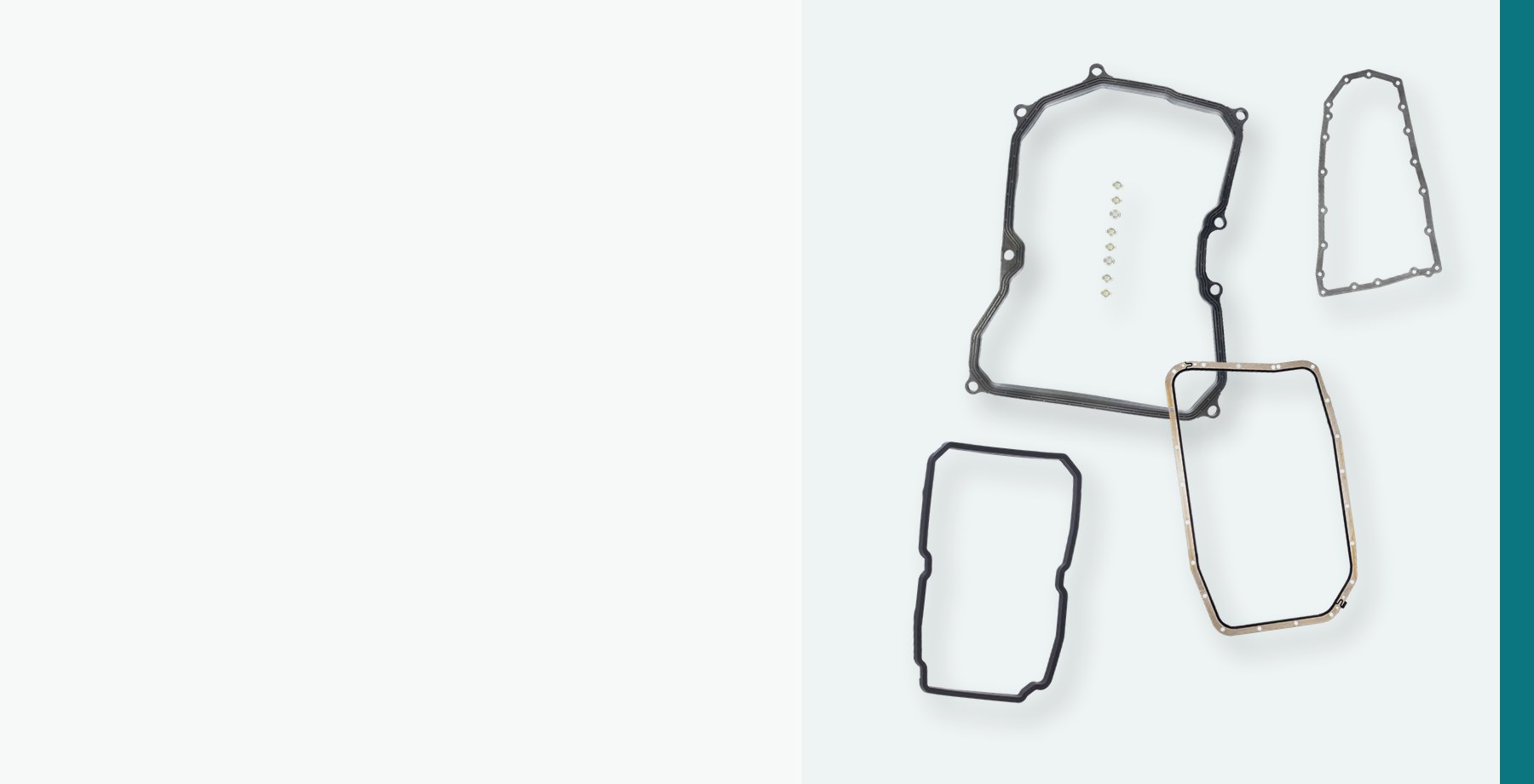
Use an identification hierarchy, not a visual guess
The safest matching process moves from documented identity to physical evidence. A known transmission code or traceable part number is stronger evidence than a marketplace title. A measured sample is stronger than an angled phone photo. When the clues disagree, stop and request more information instead of choosing the closest-looking gasket.
- Confirm the transmission code or transmission family.
- Collect all OE, aftermarket, catalog and supplier reference numbers.
- Compare the gasket outline, bolt-hole positions and internal cutouts.
- Record key dimensions and construction details.
- Confirm fitment or approve a sample before bulk ordering.
1. Confirm the transmission code first
The transmission code is usually the best starting point because it narrows the search to a transmission family. Obtain it from reliable vehicle or transmission identification data, a service record, an identification plate or the unit itself. Do not assume that the engine code and transmission code are the same.
Vehicle make, model, year and engine information are still useful, but they should support the transmission code rather than replace it. A model range can use different transmissions by market, production date or drivetrain, and a used vehicle may no longer contain its original unit.
2. Capture every number before cleaning or discarding the sample
Photograph molded, printed, stamped or handwritten markings on the old gasket, packaging and invoice. A number may be an OE reference, a distributor reference, a factory article number or only an internal stock code. Label its source instead of assuming what the number represents.
For example, the Jingyi catalog lists 09G / TMO119538 and 722.6 / TMO68506 as separate catalog references. These references help locate candidate pages; they do not replace final dimension, material and application confirmation.
3. Photograph the full outline and bolt-hole pattern
Place the gasket flat on a clean, contrasting background and take a straight overhead image. Keep the complete perimeter visible. Add close-ups of unusual corners, narrow bridges, slots, sensor or filter cutouts, and any area hidden or damaged during removal.
Bolt count is only one clue. Two gaskets can have the same number of holes but different spacing, hole diameter, corner geometry or internal openings. Compare each hole in sequence from a clear starting point. If the gasket is stretched, torn or folded, photograph the pan sealing rail as a second reference.
4. Record dimensions that can separate close candidates
Overall length and width are useful, but they may not distinguish two closely related parts. Add the distance between selected bolt-hole centers, the width of narrow sections, the location of major cutouts and the gasket thickness where it can be measured without compressing the material.
| Identification field | Why it matters | What to send |
|---|---|---|
| Transmission code | Narrows the transmission family | Code plus where it was found |
| Part references | Connects OE, catalog and supplier records | Every number with its source |
| Outline and cutouts | Separates similar pan designs | Straight overhead photo |
| Bolt pattern | Checks count, spacing and local geometry | Numbered photo or drawing |
| Key dimensions | Rejects near matches | Units, measuring points and values |
| Construction | Affects the product definition | Material, carrier and sealing-bead photos |
5. Match construction as well as shape
A correct outline does not prove that the construction is correct. Record whether the sample appears molded, flat-cut, metal-carrier, rubber-coated, cork-rubber or another design. Photograph sealing beads, locating tabs, metal layers and molded features from both sides.
If the construction is uncertain, use the transmission gasket material guide to organize the questions for the supplier. Final material selection should follow the fluid, temperature, surface and service requirements for the exact application.
6. Compare catalog candidates side by side
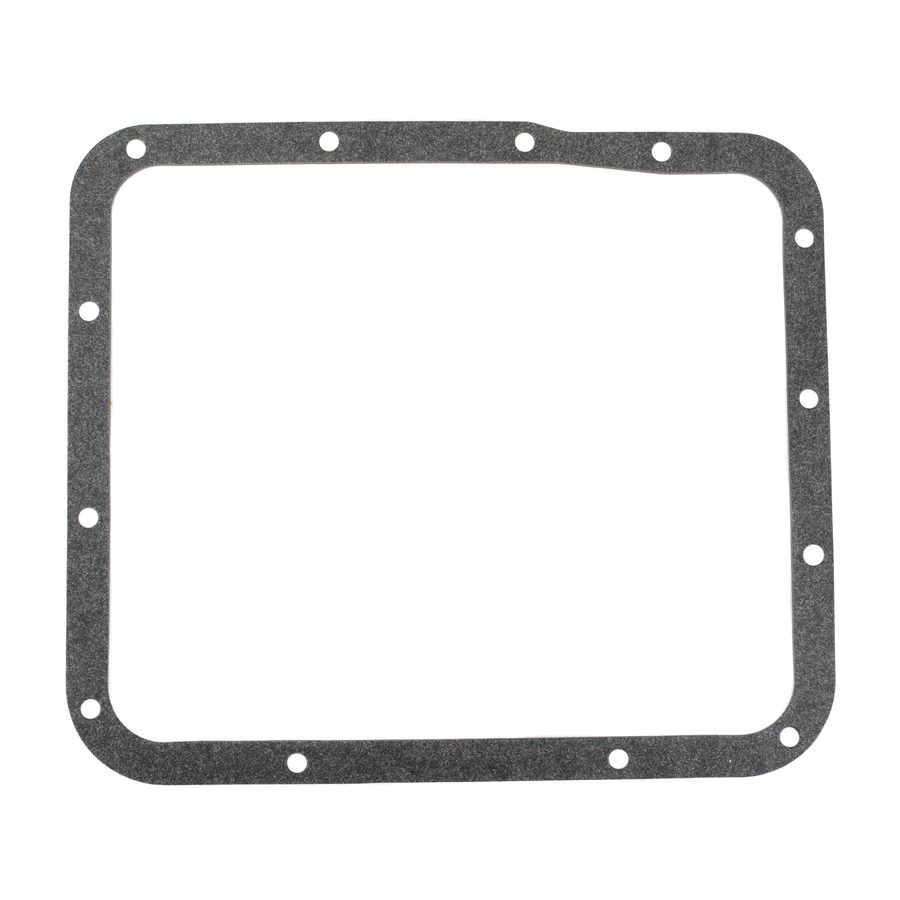
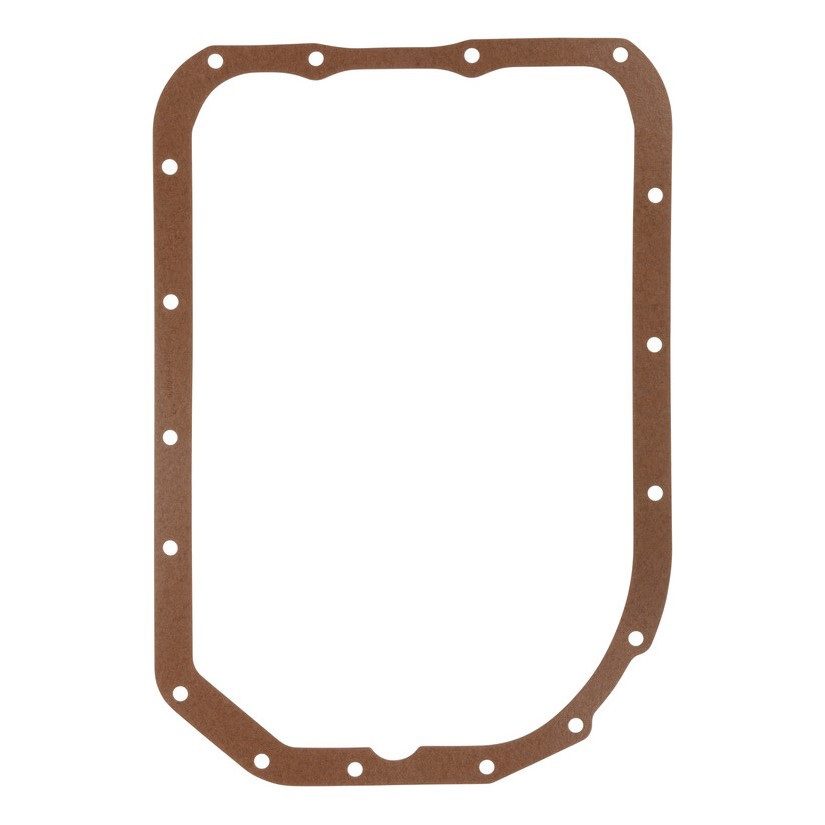
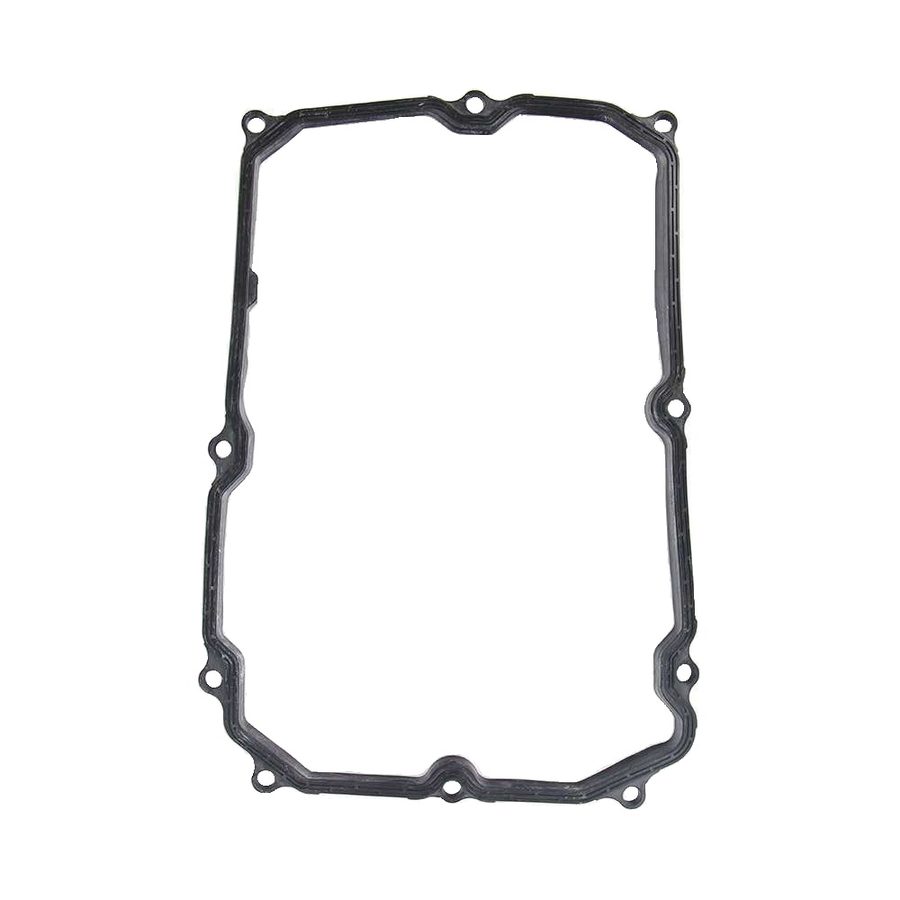
Search with the strongest known code first, then open more than one candidate when references are similar. Compare the product image, transmission reference, article number and stated construction. The transmission oil pan gasket catalog can be searched by transmission code or article number.
Distinct pages such as 0C8 / B34490 and 46RE / 3859F show why the inquiry should preserve both the transmission reference and the article number. Cross-reference names are identification aids only; confirm fitment before ordering.
Reference examples
Open candidate pages when the transmission code is already known.
Use these example product pages to compare transmission code, article number and gasket image before you send a final inquiry packet.
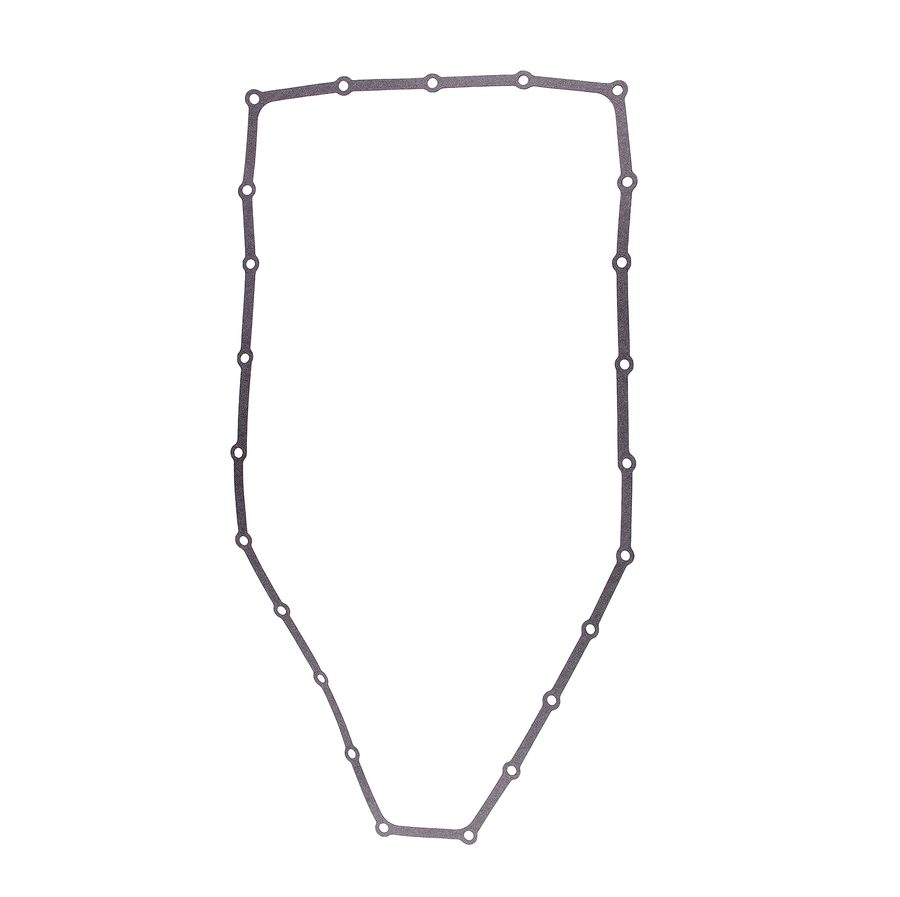
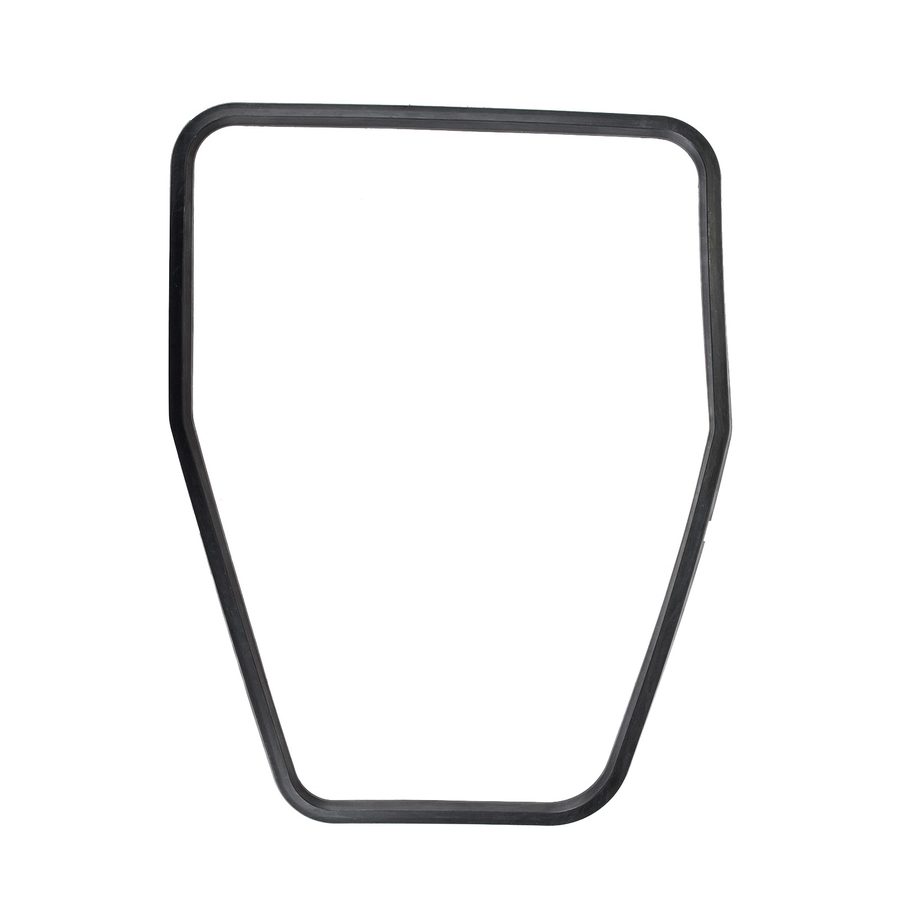
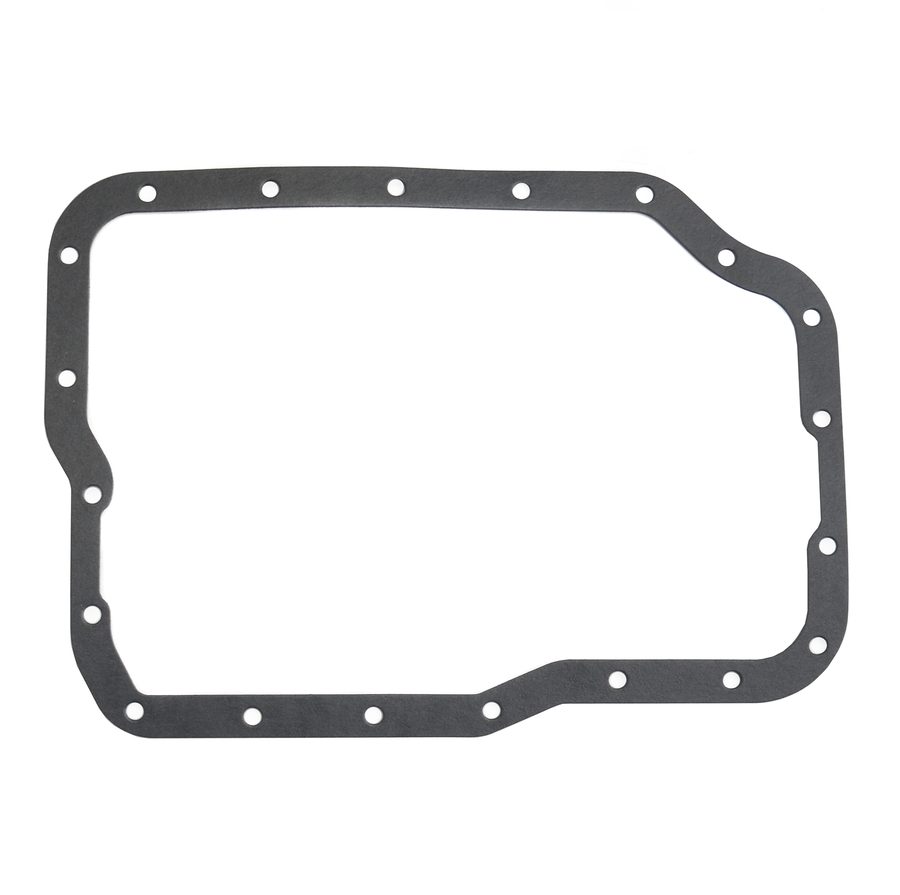
When a physical sample or drawing is necessary
Move to sample or drawing review when no trustworthy code is available, when catalog candidates remain visually close, when the old gasket is modified or damaged, or when a buyer needs a different construction. Keep at least one unused or best-condition sample when possible.
For a new reference, follow the custom gasket sample and drawing checklist. It explains how to send geometry, material direction, sealing-surface information, approval needs and packaging requirements without treating an uncertain photo match as a production specification.
Identification packet for a faster supplier review
- Transmission code and the source used to identify it.
- Vehicle or equipment information as supporting context.
- All OE, aftermarket, factory and previous-supplier numbers.
- One straight overhead photo plus close-ups of markings and special features.
- Overall and distinguishing dimensions with units and measuring points.
- Material or construction notes and whether a physical sample is available.
- Required quantity, destination market, packaging and sample-approval plan.
Once the identity is stable, use the wholesale quote checklist to add MOQ, lead-time and packaging questions. If the buyer still needs a first-contact workflow after the match is confirmed, move next to the sourcing guide.
Frequently asked questions
Can vehicle make, model and year identify the gasket?
They are useful supporting information, but they are not a reliable final identifier by themselves. Confirm the transmission code, reference data and physical gasket details.
Is bolt count enough?
No. Compare exact hole positions, corner shape, internal cutouts, dimensions and construction. Bolt count should narrow a search, not approve an order.
What is the best photo for matching?
Use a straight overhead photo of the complete, flat gasket on a contrasting background. Include a ruler or scale and separate close-ups of markings and damaged areas.
What if the old gasket is distorted?
Photograph the pan sealing rail, record multiple dimensions and send the best available sample. Explain which sections are stretched, torn or missing so those areas are not treated as accurate geometry.